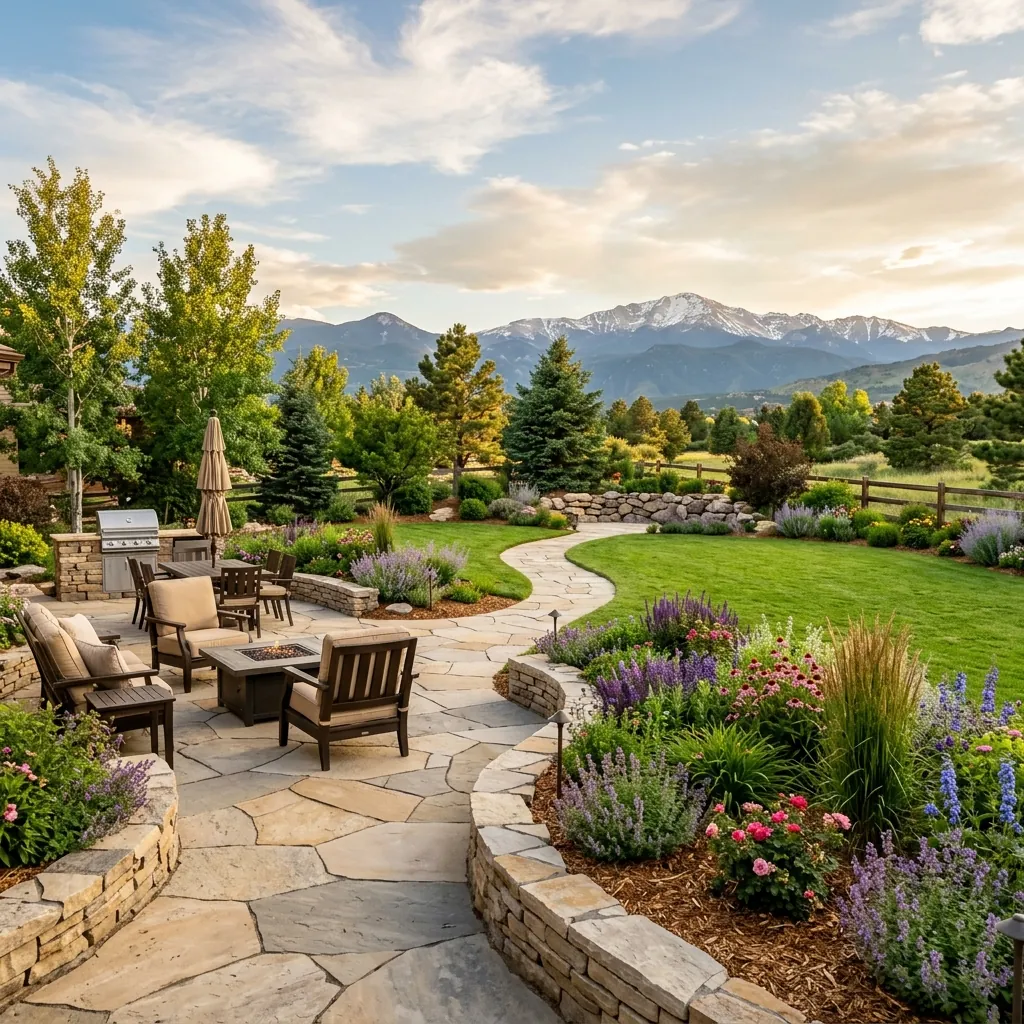
Embracing Low-Water Landscapes in Northern Colorado
Colorado's semi-arid climate, characterized by low annual precipitation and high summer temperatures, makes traditional water-intensive lawns increasingly difficult and expensive to maintain. Homeowners in Fort Collins, Loveland, and Greeley are turning to xeriscaping as a smart, sustainable, and visually stunning alternative. Done well, xeriscaping is a structured landscaping method that can cut outdoor water use by up to 60% while creating a lush, biodiverse garden that thrives in our local climate.
A well-planned xeriscape combines native perennials, drought-tolerant shrubs, decorative rock features, and efficient irrigation systems. It reduces water bills, cuts down on lawn mowing, and provides vital habitats for local pollinators. Our team specializes in designing custom low-water yard transformations. Learn more about our professional landscaping services.
Colorado Water Conservation Rebates and Incentives
Due to ongoing water conservation efforts, many Northern Colorado municipalities offer attractive rebates for homeowners who convert their turfgrass lawns to xeriscapes. For example, Fort Collins Utilities and the City of Greeley provide turf replacement rebates based on the square footage of grass removed. These programs typically require pre-approval and specific low-water plant percentages, making professional landscaping planning essential. Participating in these rebates can offset a significant portion of your installation costs.
The Six Core Principles of Successful Xeriscaping
1. Plan and Design with Hydrozones
The foundation of xeriscaping is grouping plants with similar water needs into zones, called hydrozones. This prevents overwatering drought-tolerant species and underwatering thirsty plants. High-water plants are grouped near the home's patio or entryway, while low-water species are placed along borders or slopes. This targeted approach ensures maximum water efficiency across your property.
2. Soil Improvement and Aeration
Colorado soils are often clay-heavy, which restricts water absorption and root growth. Before planting, amend the soil with organic compost, manure, or peat moss to improve drainage and nutrients. For sloped areas, grading and terracing help retain water in the soil, preventing runoff. Regular aeration also helps keep roots healthy and receptive to moisture.
3. Testing and Amending Your Soil for Xeriscapes
A crucial step in planting xeriscapes is testing your soil structure. Clay soils retain moisture but drain slowly, whereas sandy soils drain rapidly, leaving plants dry. You can perform a simple "jar test" or send soil samples to a local university extension (like CSU) for analysis. Once you understand the soil's pH and organic matter composition, you can amend it with sand, compost, or gypsum to match the needs of your native plants.
4. Advanced Hydrozoning Layout Strategies
Designing a hydrozone layout requires studying your yard's micro-climates. The south and west sides of a house receive intense afternoon sun, creating dry zones ideal for heat-tolerant plants. In contrast, the north side is shaded and cooler, retaining soil moisture longer. Grouping plants like Sagebrush and Prairie Grasses in the sunny zones and low-water shade perennials in the shaded zones maximizes water conservation.
5. Limiting Turf Areas and Using Alternative Lawns
Traditional Kentucky Bluegrass lawns consume massive amounts of water during the hot summer months. Replacing non-essential lawn areas with native fescues, clover, or ornamental gravel beds is a major water saver. For high-traffic areas where you still want a green lawn, installing premium synthetic turf is an excellent option. Check out our high-drainage artificial turf installation options.
6. Appropriate Plant Selection (Native Species)
Choosing native plants that have adapted to Colorado's dry climate is key to a low-maintenance yard. Native species require minimal watering once established and resist local diseases. Excellent choices include:
- Perennials: Purple Coneflower, Yarrow, Salvia, Penstemon, and Blanket Flower.
- Shrubs: Rabbitbrush, Apache Plume, Fernbush, and Three-Leaf Sumac.
- Ornamental Grasses: Blue Grama, Little Bluestem, and Switchgrass.
Use of Organic and Inorganic Mulches
Mulch is a critical component of xeriscaping, serving to cool the soil, prevent weed growth, and reduce evaporation. Organic wood mulches degrade over time, improving soil nutrients, and are ideal for flowerbeds. Inorganic mulches, like river rock, granite gravel, and cobble, are perfect for walkways, slopes, and structural borders. Ensure a fabric weed barrier is installed underneath rock features to keep them clean.
Efficient Drip Irrigation Systems
Drip irrigation delivers water directly to the plant's root zone, virtually eliminating evaporation and wind drift. Drip lines, bubblers, and micro-sprays are far more efficient than overhead sprinklers. Pairing your system with a smart WiFi-connected irrigation controller allows you to adjust schedules based on real-time weather forecasts. Compare our professional irrigation and sprinkler services.
Seasonal Xeriscape Maintenance and Best Practices
Xeriscapes require seasonal maintenance to remain beautiful and efficient. In late winter or early spring, cut back native grasses and perennials to encourage new growth. In summer, check drip emitters for clogs and adjust watering schedules based on local rainfall. In autumn, replenish organic mulch layers to protect plant roots from freeze-thaw cycles. Keeping weed seedlings pulled ensures your native sanctuary thrives with minimal competition.
Drip irrigation emitters should be inspected monthly during the spring and summer watering seasons to identify and clear any mineral build-ups or sediment clogs. As plants grow and mature over the years, the placement of drip emitters should be moved outward to follow the expanding root zones, ensuring efficient watering. Applying organic fertilizers specifically formulated for native perennial species once a year in spring will support strong root systems and maximize flowering potential.